Netflix’s $72 billion deal to acquire Warner Bros. Discovery’s studio and streaming operations
Netflix’s massive $72 billion agreement to purchase the studio and streaming divisions of Warner Bros. Discovery has set off a storm of resistance from political leaders, major Hollywood labor groups, and representatives of movie theaters. Critics argue that the proposed consolidation threatens to wipe out meaningful competition, destabilize the workforce, and fundamentally alter the structure of the entertainment business. What Netflix is presenting as a strategic leap forward is being characterized by detractors as a deal with potentially far-reaching and damaging consequences.
The streaming powerhouse revealed on Friday that it had negotiated terms to take over Warner Bros.’ famed film and television production units, along with the HBO and HBO Max streaming platforms. According to the announcement, the acquisition will be valued at roughly $27.75 per share, paid through a combination of cash and Netflix stock. When Warner Bros. Discovery’s outstanding debt is factored in, the total enterprise value of the transaction reaches an enormous $82.7 billion. The size of the deal instantly places it among the most consequential entertainment mergers in recent memory.
This agreement did not materialize quietly. It followed a highly public and competitive bidding contest that also featured Paramount Global and Comcast, both of which saw strategic advantage in absorbing Warner Bros.’ prestigious assets. Netflix ultimately emerged victorious, positioning itself to take command of an unparalleled library of intellectual property. If the transaction clears the expected regulatory and legal challenges, Netflix would gain control of franchises that have shaped global popular culture for decades, including Batman, Harry Potter, Game of Thrones, and the entire slate of DC Comics superheroes. These properties form some of the most lucrative entertainment brands in the world, spanning theatrical releases, television series, merchandising, gaming, and theme-park attractions.
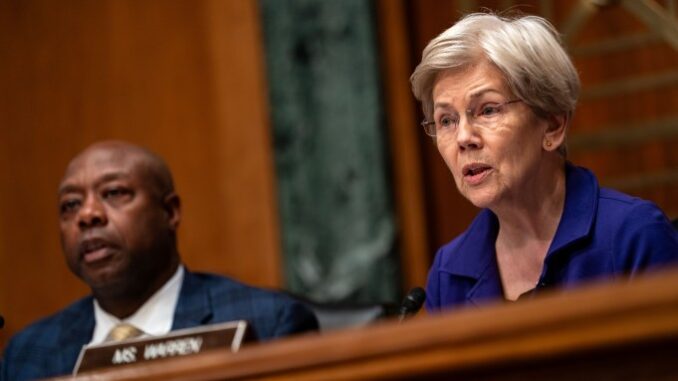
The prospect of such a vast consolidation is precisely what has alarmed policymakers. Several lawmakers have already voiced concerns that the merger could cement Netflix as an unassailable giant in the media marketplace. They argue that allowing a company already dominating the streaming sector to absorb a legacy studio of Warner Bros.’ stature risks reducing consumer choice, suppressing innovation, and allowing a single corporation to dictate industry standards. Some officials are urging regulators to review the deal under the harshest antitrust scrutiny, warning that its approval could undermine long-standing competitive safeguards.
Hollywood unions have echoed similar anxieties from the worker’s perspective. Organizations representing actors, writers, directors, and behind-the-scenes crews fear that merging two massive entertainment entities will inevitably lead to layoffs, streamlined production schedules, and reductions in creative opportunities. The recent labor battles across Hollywood—with strikes focused on job security, compensation, and the impact of streaming—have made unions particularly wary of any corporate move that could further diminish employment prospects or consolidate bargaining power in the hands of fewer employers.
Adding to the chorus of disapproval are theater owners, who worry that the combined company would have unprecedented leverage over how films are distributed and exhibited. Netflix has historically favored limited theatrical runs, prioritizing streaming releases, while Warner Bros. has long been a cornerstone of the traditional box-office system. Theater representatives fear that, under Netflix’s control, future blockbusters derived from Warner Bros.’ prized franchises might bypass wide theatrical releases altogether, accelerating the decline of cinemas and weakening an already fragile exhibition sector.
Taken together, the backlash underscores how this deal represents more than just another corporate acquisition. For many observers, the proposed merger symbolizes a broader shift in entertainment—toward greater conglomeration, fewer competitors, and an industry increasingly shaped by the strategies of tech-driven streaming giants. Whether the acquisition ultimately proceeds or collapses under regulatory pushback, it has already sparked a pivotal debate about the future of Hollywood and the balance of power within it.



Be the first to comment