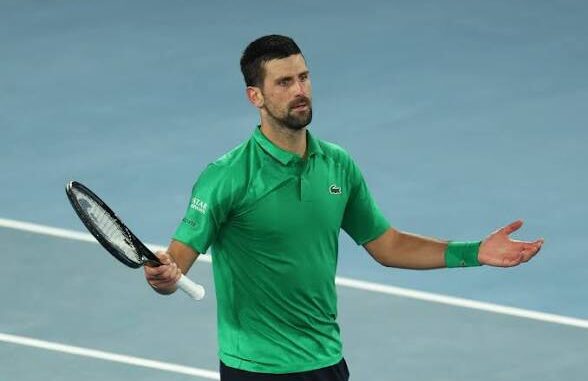
Novak Djokovic has long been one of the most dominant figures in modern tennis, a player whose relentless consistency, mental strength, and record-breaking achievements have helped define an era of the sport. However, even the greatest athletes are not immune to scrutiny or disciplinary procedures. When a high-profile player is found guilty of breaking rules set by the sport’s governing bodies, consequences can follow—no matter their status or legacy. In such cases, punishment is not only about accountability but also about protecting the integrity of professional tennis.
Professional tennis operates under strict regulations established by organizations such as the Association of Tennis Professionals (ATP), which oversees the men’s professional tour. These rules cover a wide range of conduct, from on-court behavior and code violations to administrative requirements and compliance with tournament policies. When a player is investigated and ultimately found guilty of violating any of these rules, disciplinary measures may be applied to ensure fairness across the sport.
In a hypothetical scenario where Djokovic is found guilty of a rule violation, the disciplinary process would typically involve an investigation, review of evidence, and a ruling from the relevant authorities. Tennis officials often consider several factors when determining an appropriate penalty: the severity of the violation, whether it was intentional, the player’s history of previous offenses, and the potential impact on the sport’s reputation.
Punishments in professional tennis can take many forms. The most common are financial fines, which can range from relatively minor amounts to significant sums depending on the seriousness of the offense. Players may also lose ranking points, which can have major implications for their position in the global standings and their seeding in future tournaments. In more serious cases, suspensions from competitions can be imposed, temporarily preventing an athlete from participating in tournaments.
For a player of Djokovic’s stature, any disciplinary action would inevitably draw intense attention from fans, analysts, and the media. His career has been closely followed for years, not only because of his exceptional skill but also because of the historic rivalries that shaped the modern game. Djokovic has competed in some of the most memorable matches in tennis history against players such as Rafael Nadal and Roger Federer, forming a trio that dominated the sport for more than a decade.
Because of this legacy, any controversy involving Djokovic tends to spark strong reactions. Supporters often emphasize his resilience and competitive spirit, while critics may argue that even elite athletes must be held fully accountable when rules are broken. This tension between admiration and accountability is common in professional sports, where public figures are expected to maintain both excellence and integrity.
Beyond the immediate consequences for the individual player, disciplinary cases also highlight the broader principles governing professional athletics. Sports organizations aim to maintain a level playing field, ensuring that all competitors follow the same standards regardless of their fame or achievements. When a violation occurs, enforcing the rules sends a message that fairness and sportsmanship remain essential values.
Djokovic’s career itself has been marked by extraordinary achievements that make any disciplinary situation particularly notable. Over the years, he has accumulated numerous titles at prestigious tournaments, including multiple victories at the Wimbledon Championships and the Australian Open. His ability to perform consistently across surfaces and seasons has earned him recognition as one of the greatest players in tennis history.
However, the pressure of competing at the highest level can sometimes lead to intense moments on and off the court. Tennis is a sport that demands not only physical endurance but also emotional control. Players often compete in high-stakes matches that can last for several hours, testing their concentration and composure. When frustrations arise, athletes must still adhere to the sport’s code of conduct.
If Djokovic were to face punishment after being found guilty of a violation, it would likely prompt discussions about accountability in elite sports. Fans and commentators would debate whether the penalty is appropriate and how it might affect his future performance. For younger players watching from the sidelines, such moments also serve as reminders that success in professional sports comes with responsibilities.
Despite any challenges or controversies that may arise, Djokovic’s impact on tennis remains undeniable. His achievements have inspired countless aspiring athletes around the world, and his playing style has pushed the boundaries of what is possible in the sport. Even when facing criticism or disciplinary scrutiny, the legacy he has built over years of competition continues to shape conversations about greatness in tennis.
Ultimately, the purpose of disciplinary action in sports is not only to punish wrongdoing but also to reinforce the values that make competition meaningful. When rules are enforced fairly and transparently, they help maintain trust among players, officials, and fans alike. Whether involving emerging talents or legendary champions like Novak Djokovic, the principle remains the same: the integrity of the game must always come first.
As the tennis world continues to evolve, situations involving rule enforcement will remain an important part of maintaining professionalism and fairness. For players, the lesson is clear—talent and success bring immense recognition, but they also come with the expectation of responsibility. In the end, how athletes respond to challenges, including disciplinary ones, can shape not only their careers but also their lasting legacy in the sport. 🎾



Be the first to comment