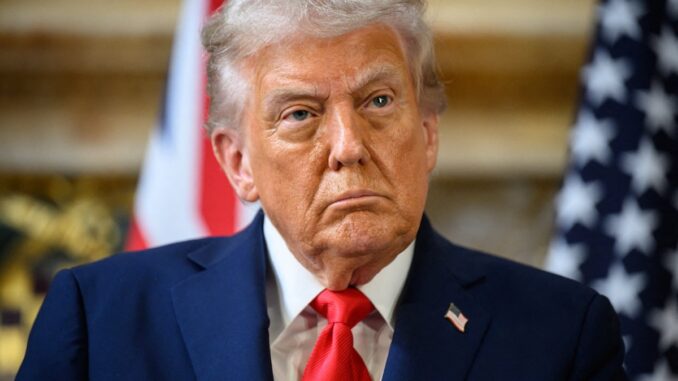
Donald Trump has once again demonstrated his ability to recalibrate his political focus in response to shifting national and global realities. In recent months, his rhetoric and policy emphasis have increasingly centered on five key pillars: the economy and cost of living, border security and immigration, energy dominance, national security and foreign policy, and shrinking government through deregulation. This strategic pivot reflects both a response to voter concerns and a continuation of themes that have long defined his political identity, now sharpened for a new political moment.
At the forefront of this shift is the issue of the economy and the rising cost of living. Across the United States, many households have felt the pressure of inflation, housing costs, and everyday expenses. Trump’s renewed focus on this area aims to position himself as a champion of economic relief and growth. He has consistently argued that his previous administration delivered strong economic performance, pointing to low unemployment rates, tax cuts, and business expansion. By revisiting these themes, he seeks to contrast his economic vision with current challenges, emphasizing policies that prioritize domestic production, reduce taxation, and encourage private sector growth. His messaging appeals particularly to working-class Americans who feel squeezed by rising prices and uncertain financial stability.
Closely tied to economic concerns is his emphasis on border security and immigration. Trump has long framed immigration policy as both an economic and security issue, and his renewed focus underscores its continued importance in his platform. He advocates for stricter border controls, increased enforcement, and policies designed to limit illegal immigration. In his view, such measures are necessary to protect jobs, reduce strain on public services, and maintain national sovereignty. This approach resonates strongly with his base, who see immigration as a defining issue of national identity and governance. At the same time, critics argue that his stance can be divisive and overlooks the complexities of immigration reform, including humanitarian considerations and the contributions of immigrants to the economy.
Energy dominance represents another cornerstone of Trump’s recalibrated priorities. He has repeatedly emphasized the importance of energy independence, arguing that a strong domestic energy sector is essential for economic growth and national security. His policies favor expanded oil and gas production, reduced environmental regulations, and increased investment in traditional energy industries. Trump’s perspective is rooted in the belief that the United States should leverage its natural resources to become a global energy leader, thereby reducing reliance on foreign energy sources. This stance appeals to industries and workers in energy-producing regions, while also sparking debate over environmental sustainability and the transition to renewable energy.
National security and foreign policy remain central to Trump’s political identity, and his renewed focus in this area reflects ongoing global tensions and uncertainties. He continues to advocate for a strong military, strategic alliances that prioritize American interests, and a foreign policy approach often described as “America First.” This includes reassessing international agreements, increasing defense spending, and taking a firm stance against perceived adversaries. Trump’s approach often emphasizes negotiation from a position of strength, seeking to reshape global relationships in ways that he argues better serve national interests. Supporters view this as a pragmatic and assertive strategy, while critics contend that it can strain alliances and reduce international cooperation.
The final pillar of Trump’s shifting priorities is the push to shrink government and expand deregulation. This theme aligns with longstanding conservative principles, but Trump has framed it in a way that emphasizes efficiency, economic growth, and reduced bureaucratic interference. He argues that excessive regulations hinder businesses, stifle innovation, and contribute to higher costs for consumers. By advocating for deregulation, Trump seeks to create an environment where businesses can thrive and the economy can expand more rapidly. This approach is particularly appealing to entrepreneurs and industry leaders who favor fewer restrictions and greater flexibility. However, it also raises questions about the balance between economic growth and the need for oversight in areas such as environmental protection, worker safety, and consumer rights.
What makes this shift particularly notable is how these five pillars interconnect. Trump’s focus on the economy is closely linked to his stance on energy, as increased domestic production is framed as a way to lower costs and boost growth. Similarly, his approach to immigration is tied to both economic and security concerns, creating a cohesive narrative that emphasizes protection and self-reliance. His foreign policy priorities reinforce this narrative by positioning the United States as a dominant and independent global actor, while his push for deregulation aims to remove barriers that he believes hinder progress across all these areas.
This strategic alignment suggests a deliberate effort to present a comprehensive vision for governance. Rather than addressing issues in isolation, Trump’s messaging weaves them together into a broader framework that emphasizes strength, independence, and economic vitality. This approach is designed to resonate with voters who are seeking clear and decisive leadership in a time of uncertainty.
At the same time, the shift reflects an awareness of changing political dynamics. Issues such as inflation and cost of living have become increasingly prominent in public discourse, and Trump’s focus on these concerns indicates an effort to remain relevant and responsive. By emphasizing practical, everyday challenges, he aims to connect with voters on a personal level, reinforcing the idea that his policies are designed to improve their daily lives.
Critics, however, argue that this shift is less about new ideas and more about repackaging familiar themes. They point out that many of these priorities—particularly immigration, deregulation, and energy policy—have been central to Trump’s platform since his first campaign. From this perspective, the shift is seen as an attempt to reframe existing policies in a way that addresses current concerns without fundamentally changing his approach. Additionally, opponents question the feasibility and long-term impact of some of his proposals, particularly in areas such as environmental policy and international relations.
Supporters counter that consistency is a strength rather than a weakness. They argue that Trump’s continued emphasis on these issues demonstrates a clear and unwavering commitment to his principles. For them, the shift is not about changing direction but about refining and reinforcing a vision that they believe has already proven effective. This sense of continuity is a key part of his appeal, providing a sense of stability and predictability in an often volatile political landscape.
Ultimately, Trump’s renewed focus on these five pillars represents both a continuation and an evolution of his political strategy. By centering his message on the economy, border security, energy, national security, and deregulation, he is positioning himself as a leader who prioritizes strength, growth, and independence. Whether this approach will resonate with a broader electorate remains to be seen, but it undeniably reflects a keen understanding of the issues that are currently shaping public opinion.
As the political landscape continues to evolve, this shift highlights the importance of adaptability in leadership. Trump’s ability to recalibrate his focus while maintaining core themes underscores his enduring influence in American politics. For supporters, it reinforces confidence in his vision; for critics, it raises important questions about the direction of policy and governance. In either case, his emphasis on these key areas ensures that they will remain central to political debate in the months and years ahead
Be the first to comment