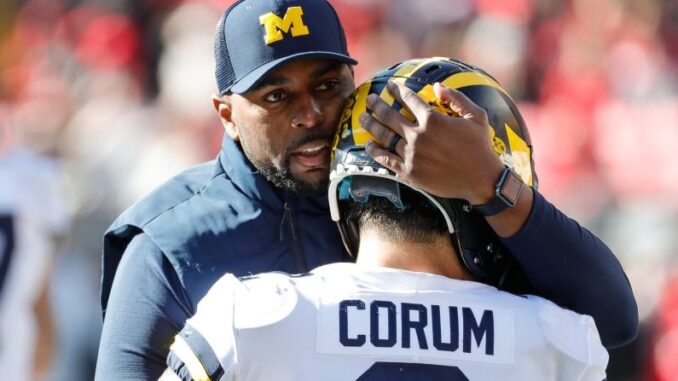
Former Michigan Coach Sherrone Moore Receives Sentencing
In a development that has sent ripples through the college football community, former University of Michigan assistant coach Sherrone Moore has received his sentencing following a highly scrutinized legal case that has unfolded over recent months. Once celebrated for his leadership on the field and his role in shaping one of the nation’s most competitive programs, Moore now finds himself at the center of a very different kind of spotlight.
The case against Moore drew widespread attention not only because of his high-profile position within a powerhouse football program, but also because it raised broader questions about accountability, institutional oversight, and the pressures that come with success at the highest levels of collegiate athletics. For many fans and analysts, the situation has been both surprising and sobering.
According to court proceedings, Moore faced charges tied to actions that prosecutors argued violated both legal and ethical standards expected of individuals in positions of authority. While specific details of the case were heavily debated in public discourse, what remained consistent was the gravity of the allegations and the implications they carried—not just for Moore personally, but for the broader Michigan football program and college sports as a whole.
During the sentencing hearing, the court weighed several factors, including Moore’s prior record, his contributions to the sport, and the nature of the offense. Statements from both the prosecution and defense painted contrasting pictures. Prosecutors emphasized the need for accountability and deterrence, arguing that public figures must be held to a high standard given their influence. Meanwhile, Moore’s defense highlighted his years of dedication, mentorship of student-athletes, and the absence of prior legal issues, urging the court to consider a more rehabilitative approach.
In delivering the sentence, the judge acknowledged the complexity of the case. The ruling aimed to balance justice with proportionality, reflecting both the seriousness of the offense and the broader context of Moore’s career. While some observers believe the sentence was fair and measured, others argue it may have been either too harsh or too lenient, depending on their perspective on the underlying issues.
The reaction from the college football world has been swift and varied. Former players, colleagues, and analysts have taken to social media and sports platforms to share their thoughts. Some have expressed disappointment, noting that Moore was seen as a role model and a rising figure in coaching circles. Others have called for a deeper examination of systemic issues within college athletics, suggesting that individual cases like this often point to larger structural challenges.
For the University of Michigan, the situation presents both reputational and operational challenges. The program, long regarded as one of the most storied in college football, now faces increased scrutiny. University officials have reiterated their commitment to integrity and compliance, emphasizing that they will continue to review and strengthen internal policies to prevent similar incidents in the future.
This case also highlights the intense pressure faced by coaches and staff in elite athletic programs. The expectations to win, recruit top talent, and maintain program prestige can create an environment where ethical boundaries are tested. While this does not excuse wrongdoing, it underscores the importance of robust support systems and clear guidelines to help individuals navigate these challenges responsibly.
Beyond the immediate headlines, Moore’s sentencing serves as a cautionary tale. It reinforces the idea that success and status do not place individuals above the law. For young athletes and aspiring coaches, the message is clear: character and accountability matter just as much as performance and achievement.
Looking ahead, it remains to be seen how this chapter will impact Moore’s future. Some believe he may eventually seek a return to football in some capacity, depending on the terms of his sentence and the willingness of organizations to offer a second chance. Others think this may mark a permanent turning point in his career.
In the broader context of college sports, this incident adds to an ongoing conversation about governance, transparency, and the responsibilities of those in leadership roles. As the NCAA and individual institutions continue to evolve, cases like this will likely influence policy decisions and cultural expectations for years to come.
Ultimately, the story of Sherrone Moore is no longer just about football. It is about accountability, consequences, and the complex interplay between personal decisions and public roles. As the dust begins to settle, the lessons from this case will continue to resonate across the sports world, reminding everyone involved that integrity remains a cornerstone of true leadership.

Be the first to comment