
Another Year Around the Sun for Chris Martin — What’s Next for Coldplay?
Another year around the sun for Chris Martin, and fans around the world are once again reflecting on the incredible journey of one of modern music’s most recognizable voices. As the frontman of Coldplay, Martin has spent more than two decades shaping the emotional landscape of pop and alternative rock. With every passing year, the question becomes more interesting: what’s next for Coldplay?
Born on March 2, 1977, Chris Martin rose from humble beginnings in Exeter, England, to become a global music icon. His story with Coldplay began in the late 1990s at University College London, where he met future bandmates Jonny Buckland, Guy Berryman, and Will Champion. What started as a university band soon evolved into one of the most successful musical groups of the 21st century.
Coldplay’s breakthrough came in 2000 with their debut album Parachutes. The record introduced audiences to a band that wasn’t afraid to embrace vulnerability. With its gentle melodies and emotional depth, songs like “Yellow” quickly became anthems for listeners searching for sincerity in music. Martin’s soft yet powerful vocal delivery helped define the band’s early identity — introspective, heartfelt, and undeniably authentic.
But Coldplay never allowed themselves to remain confined to a single sound. Their second album, A Rush of Blood to the Head (2002), expanded their musical ambition and lyrical scope. Tracks like “Clocks” and “The Scientist” demonstrated Martin’s growing confidence as a songwriter while cementing the band’s reputation for crafting emotionally resonant music that could fill arenas.
Over time, Coldplay continued to reinvent themselves. The release of Viva la Vida or Death and All His Friends in 2008 marked a bold new creative direction. With its orchestral influences and experimental production led by Brian Eno, the album pushed the band into more adventurous territory. The title track “Viva la Vida” became one of the biggest songs of the decade and proved that Coldplay could evolve while still connecting deeply with audiences.
Chris Martin’s songwriting has also grown alongside the band’s musical transformation. Early Coldplay songs often focused on introspection and quiet reflection. In later years, Martin began exploring themes of unity, love, resilience, and global connection. Albums like Mylo Xyloto, A Head Full of Dreams, and Music of the Spheres reflect a brighter, more expansive worldview — one that embraces collaboration and celebrates diversity in music.
Collaboration has become a defining feature of Coldplay’s modern era. The band has worked with artists from across the musical spectrum, including pop stars, electronic producers, and international acts. These partnerships highlight Martin’s openness to new sounds and his belief that music is a universal language capable of bringing people together.
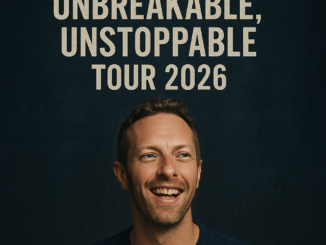
One of the most visible expressions of that philosophy is Coldplay’s live performances. Over the years, the band has become known for some of the most immersive concert experiences in the world. Their tours feature synchronized LED wristbands for audiences, massive visual displays, and an atmosphere of shared joy that transforms stadiums into glowing seas of color. Martin’s boundless stage energy — running, dancing, and engaging with fans — makes every performance feel personal despite the enormous crowds.
Beyond the music, Martin has also embraced a growing role as an advocate for humanitarian and environmental causes. Coldplay has supported numerous charities and initiatives over the years, ranging from global poverty campaigns to refugee support organizations. More recently, the band has taken steps to make their tours more environmentally sustainable by reducing carbon emissions and investing in green technology.
These efforts reflect Martin’s evolving perspective on the role artists can play in shaping a better world. For him, music is not only about entertainment but also about connection, awareness, and responsibility.
As Chris Martin celebrates another birthday, fans inevitably begin to wonder about Coldplay’s future. Interestingly, Martin himself has spoken openly about the band’s long-term plans. In several interviews, he has suggested that Coldplay may eventually stop releasing new albums after a certain number — possibly around twelve studio records.
While that idea might sound like the beginning of the end, Martin has framed it differently. Rather than fading away slowly, he envisions a future where each remaining Coldplay album becomes a meaningful creative milestone. Limiting their discography could allow the band to focus on quality and artistic intention rather than simply continuing indefinitely.
Even if Coldplay eventually slows down their album releases, that doesn’t mean their influence will disappear. The band’s music already spans generations, and their songs continue to find new listeners through streaming platforms, film soundtracks, and viral social media moments.
Looking ahead, Coldplay’s future will likely continue to revolve around experimentation, collaboration, and live performance. Martin has always shown curiosity about new musical styles, and the band’s willingness to adapt has been one of the key reasons for their longevity.
Another possibility is that Martin may explore more solo or collaborative projects outside the band while Coldplay continues evolving as a collective. Artists with careers as long and successful as his often discover new creative avenues that expand their artistic legacy.
Ultimately, another year around the sun for Chris Martin is more than just a birthday milestone. It’s a reminder of the enduring impact he and Coldplay have had on global music culture.
From quiet piano ballads to explosive stadium anthems, from deeply personal lyrics to universal messages of hope, Martin’s work has touched millions of lives across continents.
And if the past two decades are any indication, the next chapter for Coldplay is still full of color, creativity, and possibility.


Be the first to comment